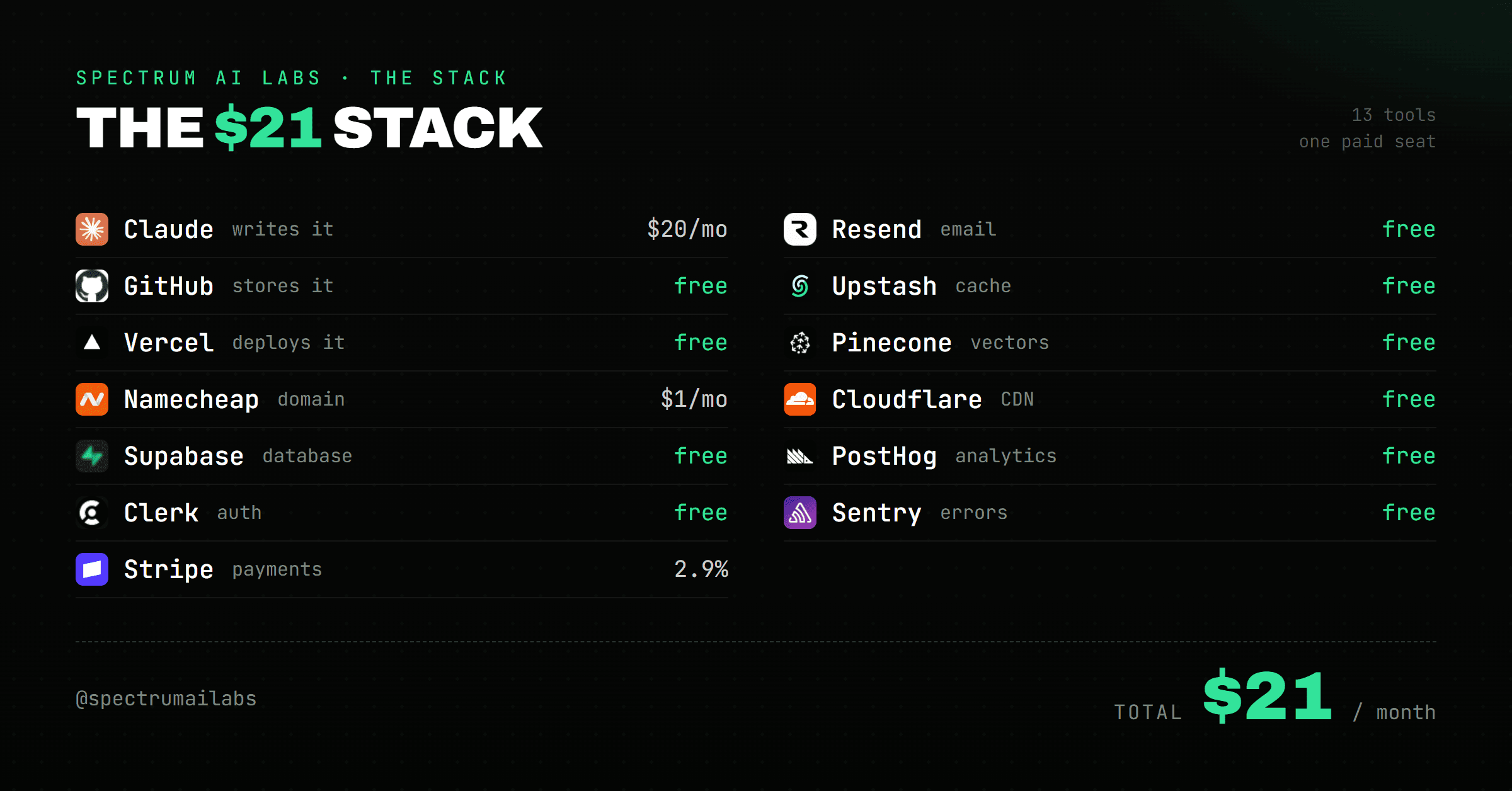
The short answer. You can build and run a real software company for about twenty one dollars a month. Twenty dollars pays for Claude, which writes the code. One dollar pays for the domain. Every other tool runs free at launch scale: hosting, database, auth, payments, email, caching, analytics, and error tracking. Stripe is the only other cost and it takes a small cut of sales, so it only bills you after a customer has paid.
A live product with paying customers running through Stripe. Twenty dollars goes to Claude, one dollar to the domain, and everything else rides a free tier built for this stage. Here's every tool and what it costs.
Every tool, every price.



Verified July 25, 2026. Prices are monthly, at launch and early growth scale.
The math.
What people think they need
$2,000
Paid team seats, a managed database, a paid auth provider, an email platform, an analytics suite, and a pile of tools bought to feel legitimate. It looks like a company.
What it actually takes
$21
The same product, shipped. Users can't see your stack. They see what you built and whether it works. The gap between these two numbers is pure story you're telling yourself.
How the pieces connect.
Quick Action Steps
- 1Claude writes it. I describe the feature in plain English and Claude writes the code. It's the one tool on this list that earns a subscription, because it's doing the work a developer would.
- 2GitHub stores it. Every change is committed to a private GitHub repo. Free, and it's the trigger for everything downstream.
- 3Vercel deploys it. A push to GitHub auto deploys to Vercel. You never touch a server, and the free hobby tier holds up under real traffic.
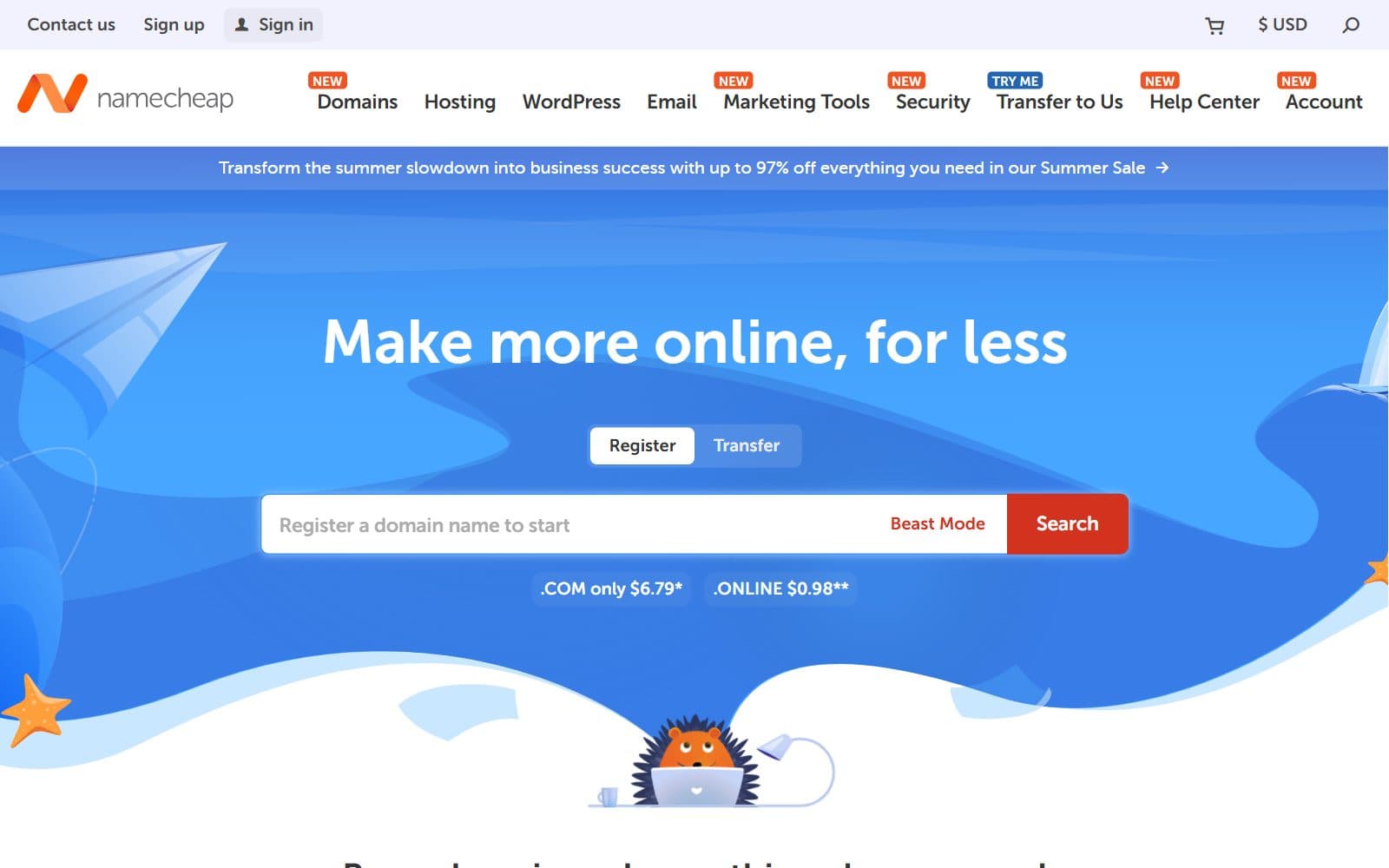
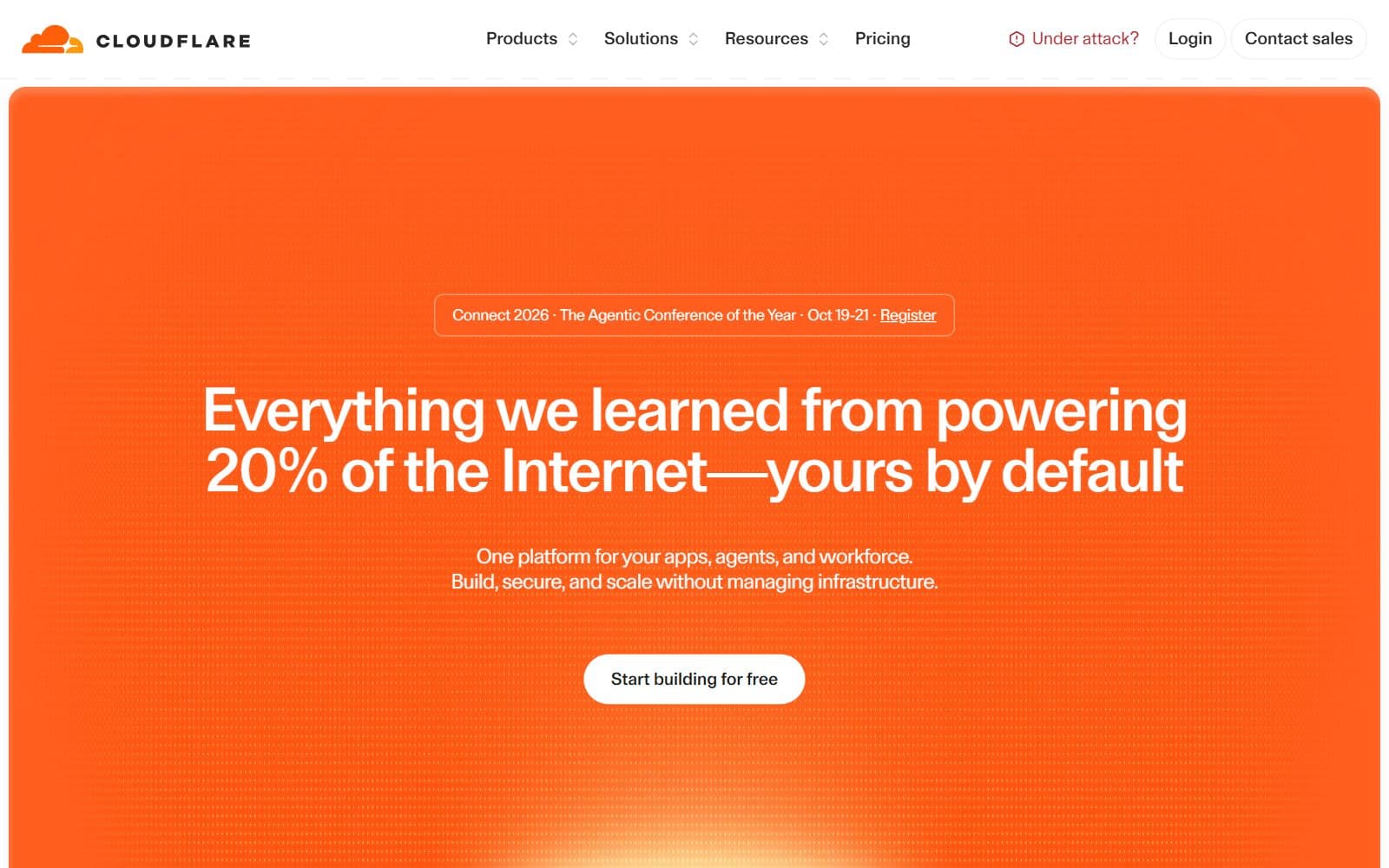
- 4Namecheap and Cloudflare front it. A one dollar a month domain from Namecheap, pointed through Cloudflare for free DNS and a CDN. The app is now live on a real address.
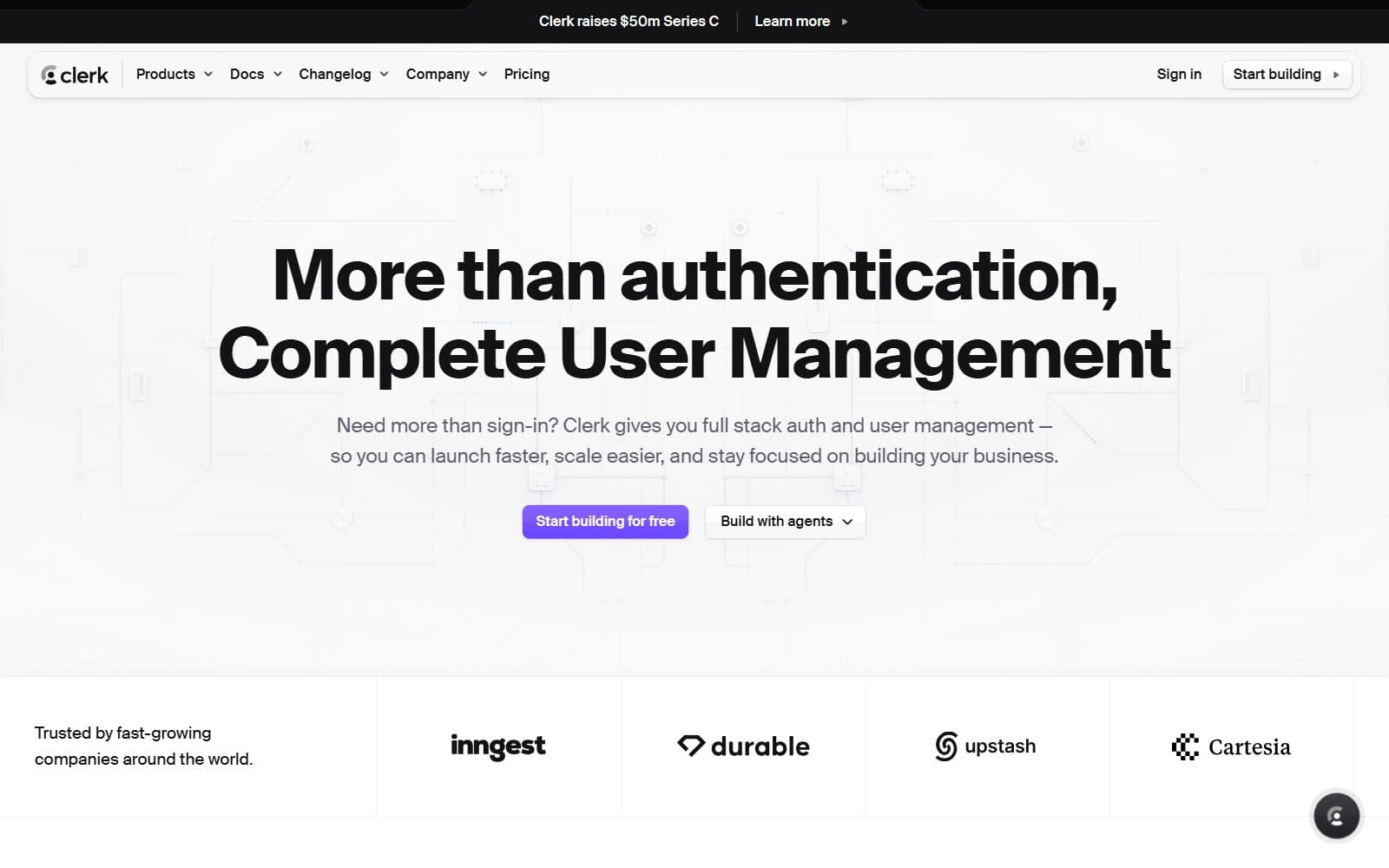
- 5Clerk logs users in. Sign up, sign in, and sessions come from Clerk. Its free tier covers thousands of users before it costs a cent.
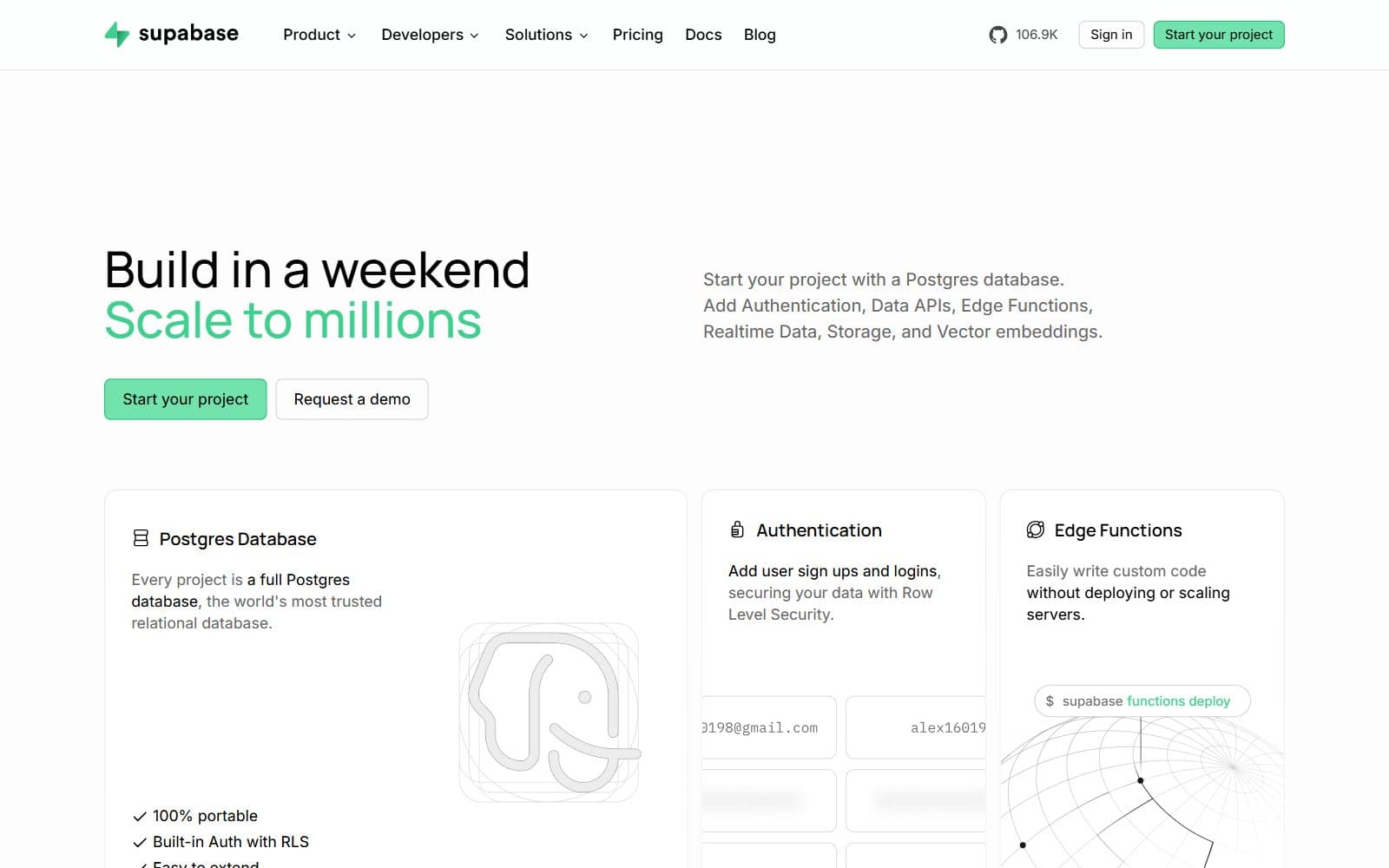
- 6Supabase holds the data. A managed Postgres database on Supabase stores everything. Free tier is a real database, not a toy.
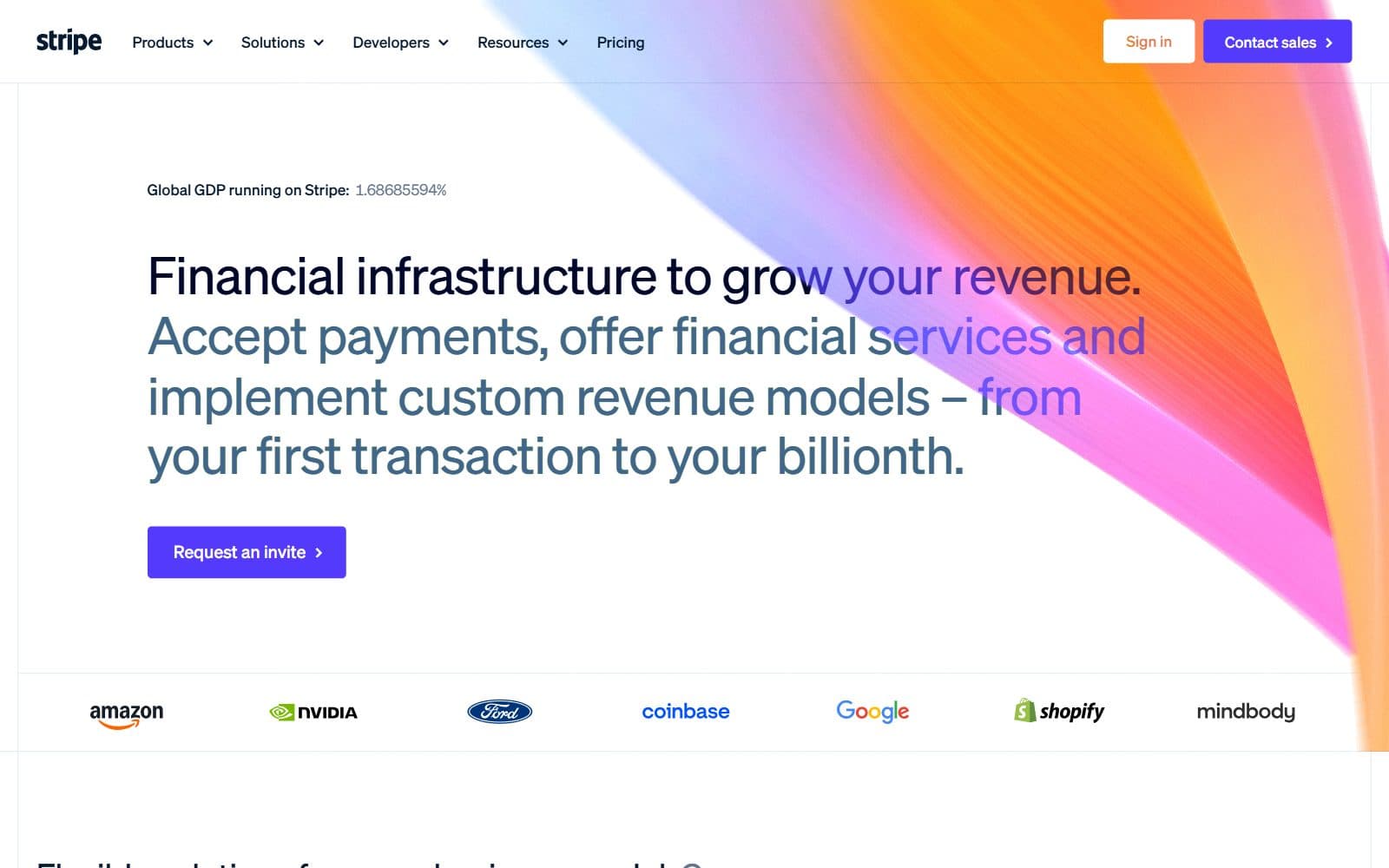
- 7Stripe takes the money. Stripe handles checkout and subscriptions. No monthly fee. It only takes a cut after a customer pays, which is the fairest pricing in software.
- 8Resend emails them. Receipts, resets, and notifications go out through Resend. Free up to a few thousand emails a month.
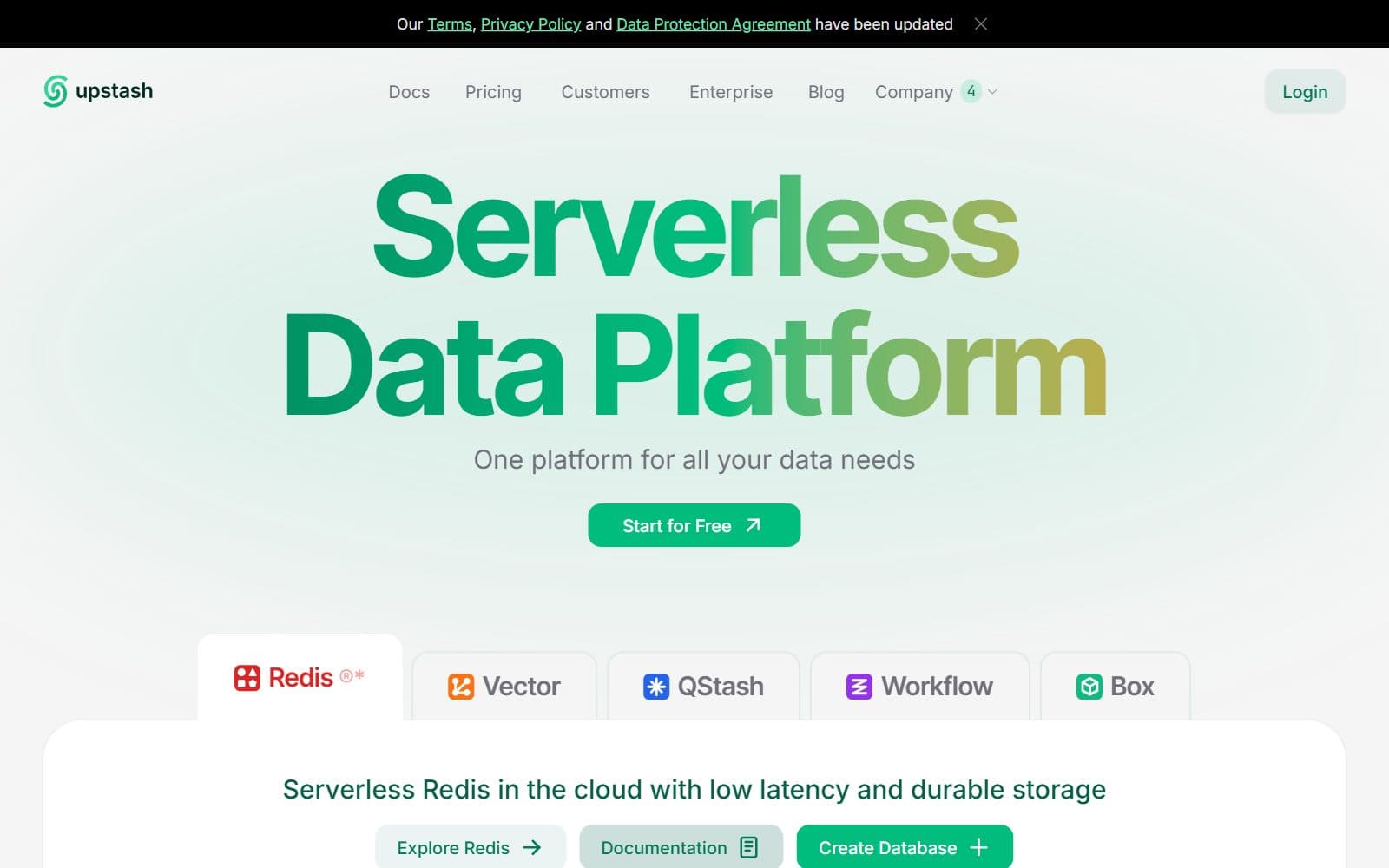
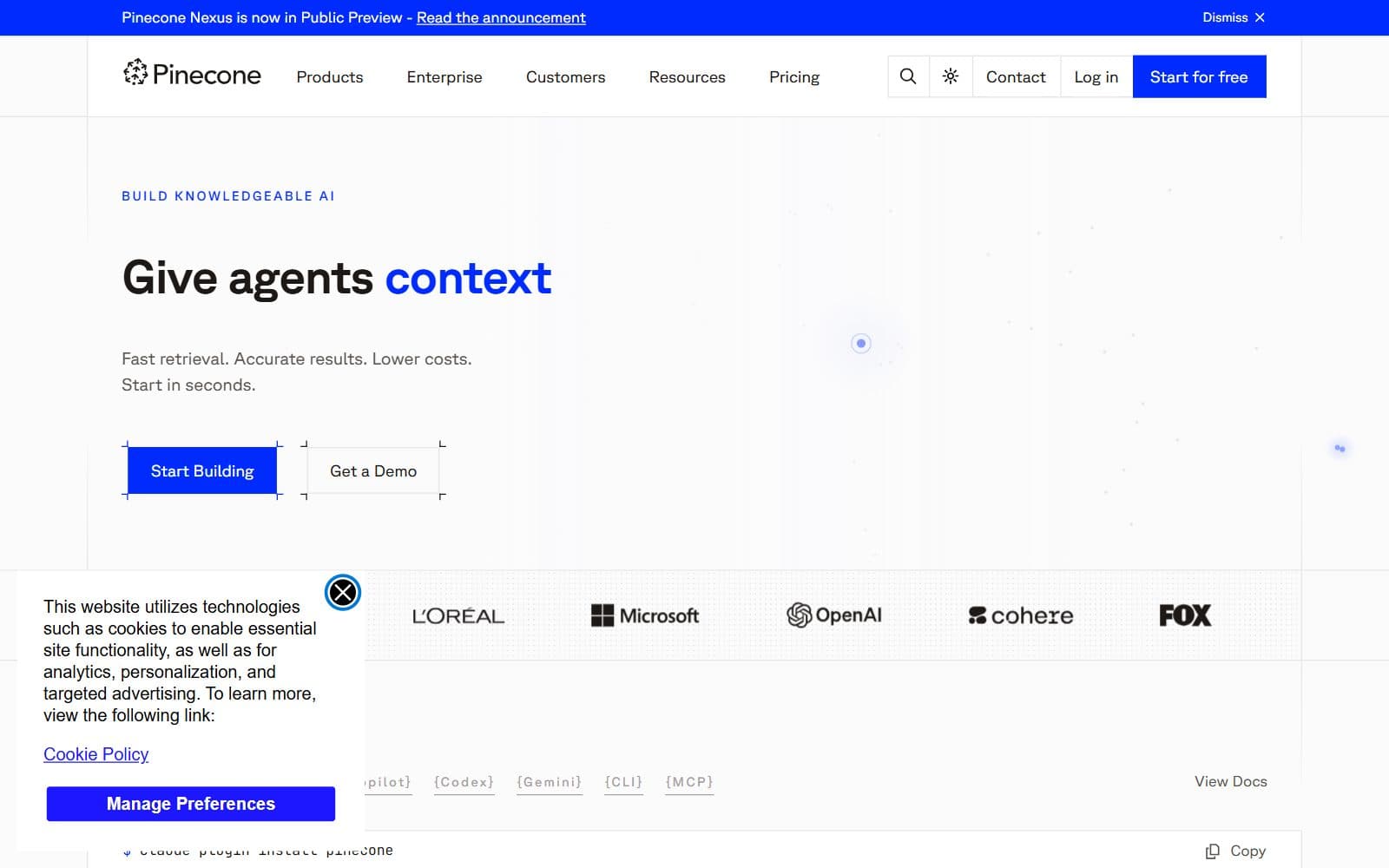
- 9Upstash caches it, Pinecone searches it. Upstash caches hot data and runs queues. Pinecone does the AI search. Both free at this scale.
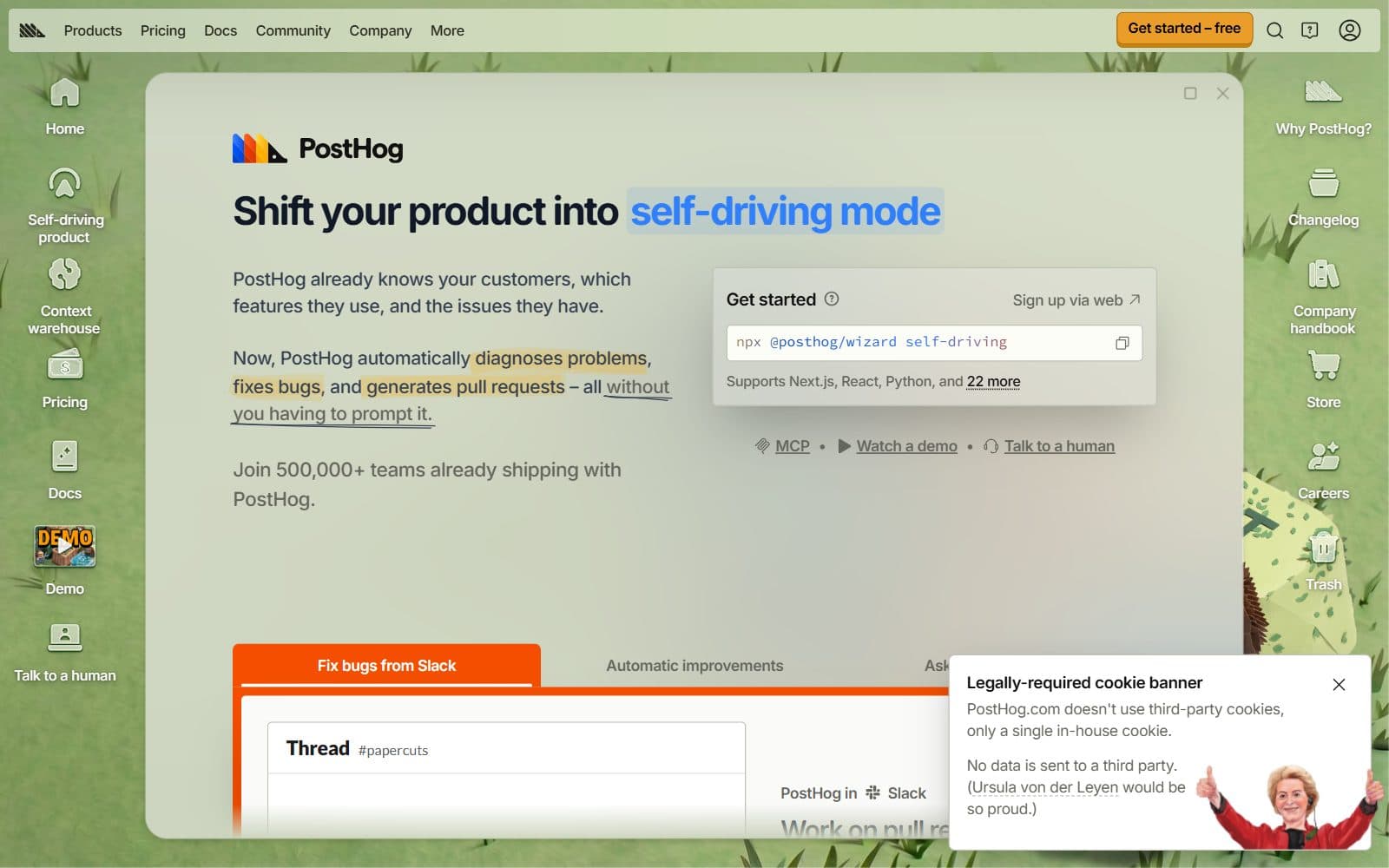
- 10PostHog and Sentry watch it. PostHog shows me what users actually do. Sentry pings me the moment something breaks. Both free, both running in production.
The whole stack, live.

Where it costs more.
The honest part
Stripe is never free, it takes about 2.9% plus a fixed fee per charge. But it only costs you once a customer has already paid you, so it comes out of revenue, not your pocket.
The free tiers hold until you get real scale: heavy traffic, large storage, or high email volume. When you cross those lines you start paying, but by then you have the users and revenue to justify it. That's a good problem.
This is the launch and early growth stack. A fifty person team would outgrow it, and that's the point: it gets a real product live before you've spent much finding out whether anyone wants it.
The quick questions.
Is this really enough to run a real company?
Yes. This exact stack runs a live product with paying customers through Stripe. Users never see your stack, they see what you shipped. The tools here ship the same product a two thousand dollar stack would.
How much does it actually cost per month?
Twenty one dollars. Twenty for Claude, one for the domain. Every other tool runs on a free tier at this stage. Stripe takes a percentage of sales but has no monthly fee.
When do you start paying more?
When you outgrow the free tiers: high traffic, large database storage, or thousands of emails a day. Each tool has generous limits built for exactly this early stage, so you only pay once you have the users to justify it.
Do you need to know how to code?
You need to be able to describe what you want clearly. Claude writes the actual code. You still have to understand what you're shipping, but you're not writing every line by hand.
Are free tiers a trap that will rug you later?
No. Every tool here has a paid path you graduate onto when you scale, and your bill only grows because your product did. You're never stuck, and nothing here holds your data hostage.
The tools I test, every week
Every week I put a new AI tool through real work and send what held up, what broke, and what it cost. Nothing gated, unsubscribe in one click.

Founder of Spectrum AI Labs — testing AI tools and models, and writing up what actually ships.
More about Paras →