![What People Are Building With GPT-5.6 Sol [2026]](/_next/image?url=%2Fimages%2Fai-builders%2Fgpt-5-6-sol-hero.jpg&w=3840&q=75)
GPT-5.6 Sol is the coding tier of OpenAI's 5.6 family, and its most interesting demos this week were about autonomy rather than raw output. Spencer Sterling had Sol design its own node-based creative tool from a single prompt. An ex-Apple designer ran Sol against Claude Fable 5 on the same iOS app and documented exactly how differently they worked. One builder left Sol Ultra alone for three days. We kept this list short on purpose: only the builds worth your time made it in. Every one links to the original post.
Sol is the tier people reach for when they want GPT-5.6 to write and run code, so most of what people posted was software. We read through the week's demos and kept the five that reward a click. Each one links to the builder's original post, and where a number is the builder's own claim, we say so.
Sol designed its own creative tool
Spencer Sterling gave it one prompt and let it loop.
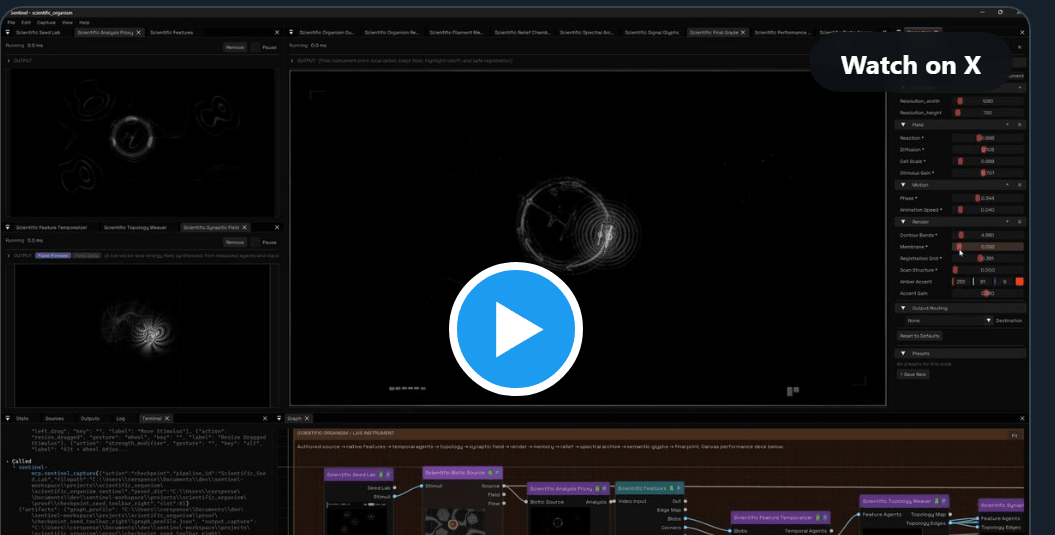
Spencer Sterling was building an agent-native, node-based, real-time environment, and used Sol as the test. The prompt: plan out your own setup, then loop through creative exploration until you decide you are done.
Sol invented every node, every data type, and every connection, and Sterling says it came out modular and human-readable, so he could open any piece and steer while it built. The model was not using a tool someone designed for it. It designed the tool.
Sol vs Fable 5, same iOS app
An ex-Apple designer ran the identical prompt through both.
Anshu spent 12 years on UI and UX at Apple, which makes his Sol versus Fable test worth reading in full. Both models built complete, working apps from the same prompt, but they worked very differently.
By his account, Sol finished in under half the time at the same reasoning setting, checked its own frames far less obsessively than Fable, and leaned on its built-in image integration to save cost. It also ignored some of his instructions on purpose, once defending full-photo backgrounds because they "preserve shadows more convincingly." His verdict was mixed, which is what makes it useful.
Left alone for three days
Jeffrey Emanuel came back to a wild TODO list.
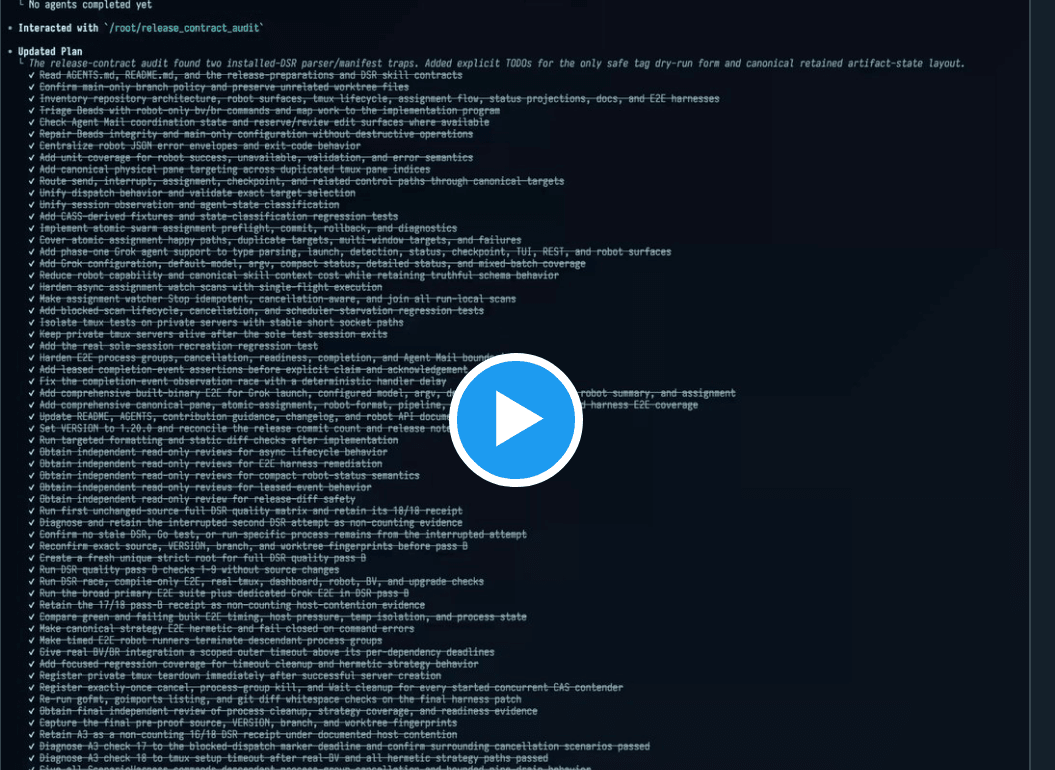
Jeffrey Emanuel gave GPT-5.6 Sol Ultra a project, told it to manage the work with its built-in TODO functionality, and left it running for three days. He came back to the sprawling, self-generated list in the screenshot.
It reads as a joke, and he posted it as one, but it is also a real look at how a long-running agent narrates and re-plans its own work when nobody is watching. That behavior is exactly what breaks or holds up in production.
A design page for Mostar
Amir built a tourism page for his hometown.
Amir made a tourism visit card for Mostar, his hometown, and the result is a genuinely polished landing page built through Codex. He used both GPT-5.5 and 5.6 on it, so this is not a pure Sol build, but he singled out Sol for the design quality.
Design is where Sol and its rivals are closest, which is why a clean, opinionated page like this one is a fair place to judge taste rather than just capability.

A signal radar for AI and crypto
Axel got tired of a dozen morning tabs.
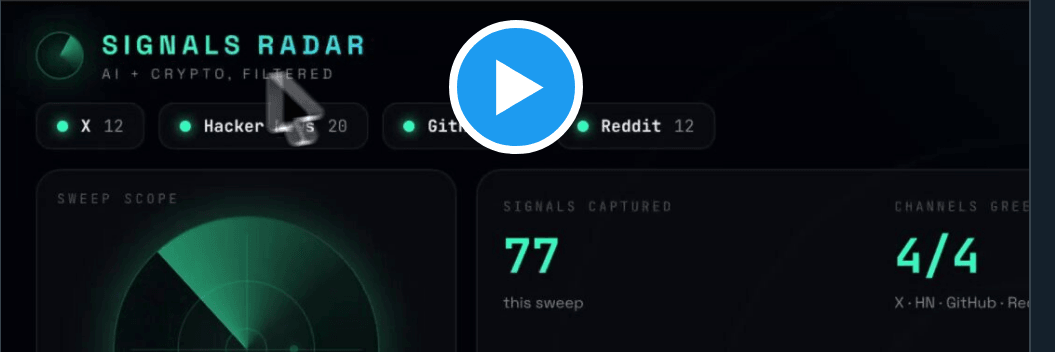
Axel built a personal tool called Signal Radar with Sol. It sweeps X, Hacker News, GitHub, and Reddit at once, drops the noise, and ranks what is left by what is actually pulling attention, then pulls the full post or thread in so he does not open a dozen tabs.
One sweep in his demo pulled 77 signals and flagged 49 as worth a click. It runs on his own machine with no API keys or subscription, and he offered to open-source it if people asked.
What Sol is good at, one week in
What these builds have in common.
Not sure which AI model to use?
21 models · Personalized picks · 60 seconds
Autonomy is the theme. The strongest Sol demos were not about a single polished output, they were about leaving it to plan, loop, and manage its own work: designing its own tool, running for three days, keeping its own TODO list. Sol is being tested as an agent more than as a code generator.
Speed and its built-in tools keep coming up. In the head-to-head, Sol finished faster and used its own image integration to save cost. It also decides how to spend effort on its own, which cuts both ways: the same independence is why it quietly ignored a few of the designer's instructions.
If you want to see how Sol stacks up against the field, our Claude Code vs Codex comparison and task-by-task model guide are the places to start, or match a model to your own work with the 2-minute picker.
FAQ
What are people building with GPT-5.6 Sol?
Most of what people built with GPT-5.6 Sol was software, and the strongest demos were about autonomy. Spencer Sterling had Sol design its own node-based creative tool, an ex-Apple designer compared it with Fable 5 on an iOS app, and Jeffrey Emanuel left Sol Ultra running for three days. Others built a tourism page for Mostar and Signal Radar, a personal tool that sweeps X, Hacker News, GitHub and Reddit.
What is GPT-5.6 Sol?
GPT-5.6 Sol is the coding-focused tier of OpenAI's GPT-5.6 family, the one you pick when you want GPT-5.6 to write and run code. The builders covered here mostly used it as an agent rather than a code generator. It planned, looped and managed its own work, to the point of designing its own tool in one build and running for three days in another.
Is GPT-5.6 Sol good for iOS apps?
In one ex-Apple designer's test, it built a complete, working iOS app, but his verdict was mixed. Anshu ran the same prompt through Sol and Claude Fable 5. By his account, Sol finished in under half the time at the same reasoning setting, checked its own frames less than Fable and used its built-in image integration to save cost. It also ignored some of his instructions on purpose.
Can GPT-5.6 Sol run on its own for days?
One builder left it running for three days. Jeffrey Emanuel gave GPT-5.6 Sol Ultra a project, told it to manage the work with its built-in TODO functionality and came back to a sprawling, self-generated TODO list. He posted it as a joke, but it is also a real look at how a long-running agent narrates and re-plans its own work when nobody is watching.
What is Signal Radar?
Signal Radar is a personal tool Axel built with GPT-5.6 Sol. It sweeps X, Hacker News, GitHub and Reddit at once, drops the noise and ranks what is left by what is pulling attention, then pulls in the full post or thread. One sweep in his demo pulled 77 signals and flagged 49 as worth a click. It runs on his own machine with no API keys or subscription.

Founder of Spectrum AI Labs — testing AI tools and models, and writing up what actually ships.
More about Paras →Stay ahead of the AI curve
We test new AI tools every week and share honest results. Join our newsletter.